The starting point
The cost of an immersive artwork depends on creative scope, site conditions, content, equipment, fabrication, installation and operation. A useful budget separates these components and makes responsibility for each one explicit.
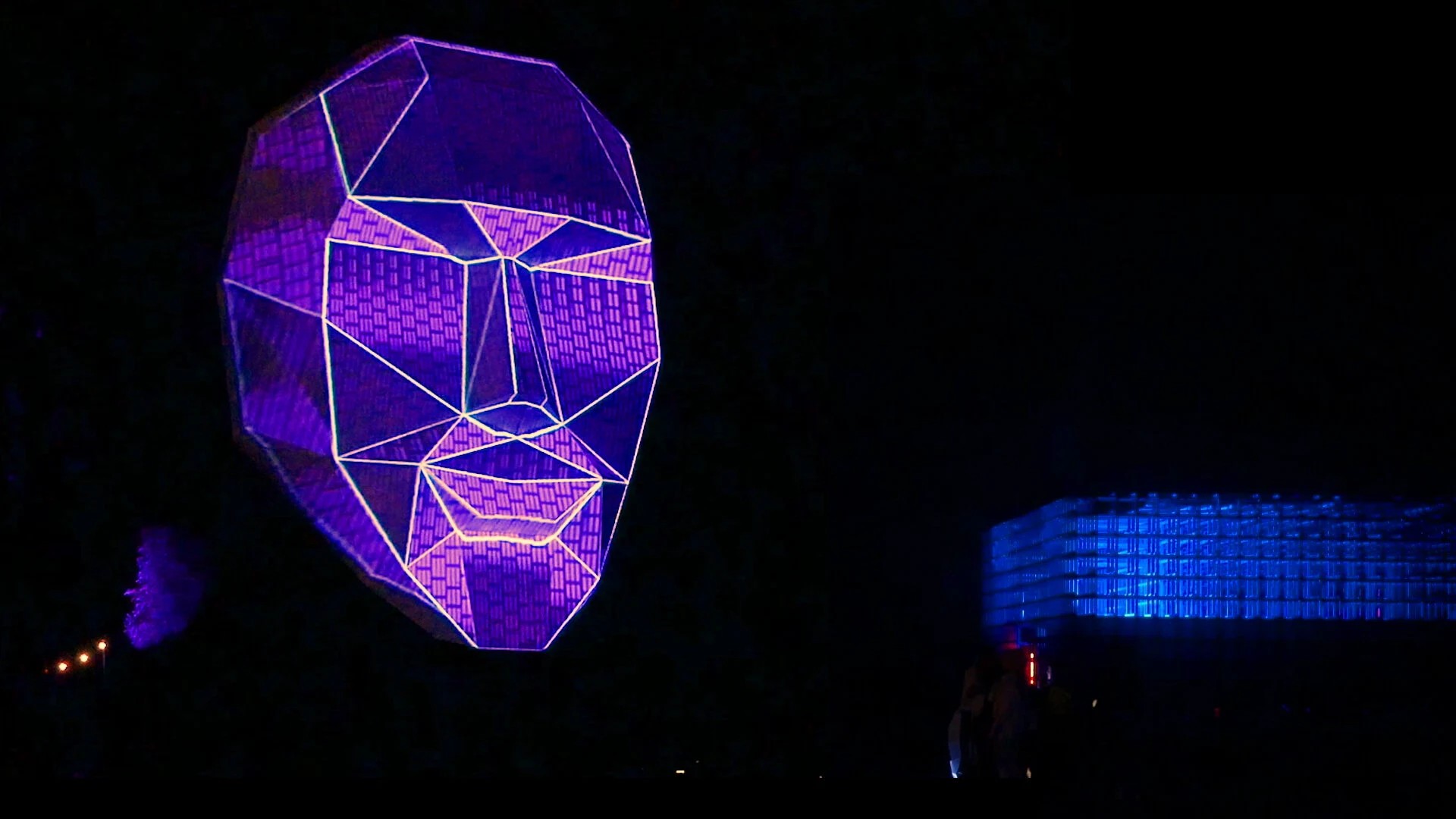
An artwork is more than its visible surface
A visitor sees an image, sculpture or responsive moment. Behind it sit concept development, visual and sound production, testing and the practical work of presenting it. Two projects with similar-looking photographs can have very different production needs. Comparing them only by screen size or running time leaves out much of the scope.
Separate original creation from adaptation
A new narrative, score or interaction may involve research, development and testing. Re-presenting an existing work can reduce some creative tasks, but still requires a review of rights, site fit and technical requirements. A new building is not automatically a new canvas for an unchanged film. Ask which elements can carry over and which require new work.
Identify the physical and technical package
Equipment, structures, surfaces, power, sound and interfaces need to be considered together. RIPPLE’s floating screens show why fabrication can be part of the artwork rather than a minor accessory. A projection content commission, by comparison, may sit within a system supplied by another producer. The brief should state whether costs cover creative work, equipment and installation, or only one part of that picture.
Include the time when the audience is absent
Access, installation, alignment, testing, rehearsal and removal all sit outside the public opening period. An ambitious programme can become difficult if it allows very little time for these stages. Record the available windows and who controls them. A schedule helps the team identify constraints before they become last-minute changes.
Budget for the operating experience
Public participation may need facilitation, moderation, technical support or maintenance during the event. Decide who opens and closes the installation, responds to faults and supports visitors. A multi-night presentation may have different operational needs from a single ceremony. Include removal and any agreed archive or handover at the end.
Make change and approval points visible
Agree what is being reviewed, who can approve it and when decisions are needed. Identify the assumptions behind the scope: audience format, operating dates, content rights and venue information. When one changes, discuss its effect before treating it as a small adjustment. This is especially useful where creative content is one contribution to a larger event production.
Ask for a scoped conversation rather than a universal price
There is no reliable price band in this article because the site and production package have not been defined. Bring the amount available, distinguish capital and operating needs where relevant, and ask what options it can support. The commissioning guide can help prepare the information needed for that discussion. A related portfolio project is a useful reference for scope, not a published rate card.
Projects mentioned
Prepare your brief
Use the public briefing checklist, explore interactive public art or projection mapping, then request a concept call.