The context
Commissioned for Brisbane City Council’s Botanica festival, RIPPLE brought projection, sound and a floating screen sculpture into a lagoon setting. Water became the subject, the setting and the emotional language of the work.
The creative approach
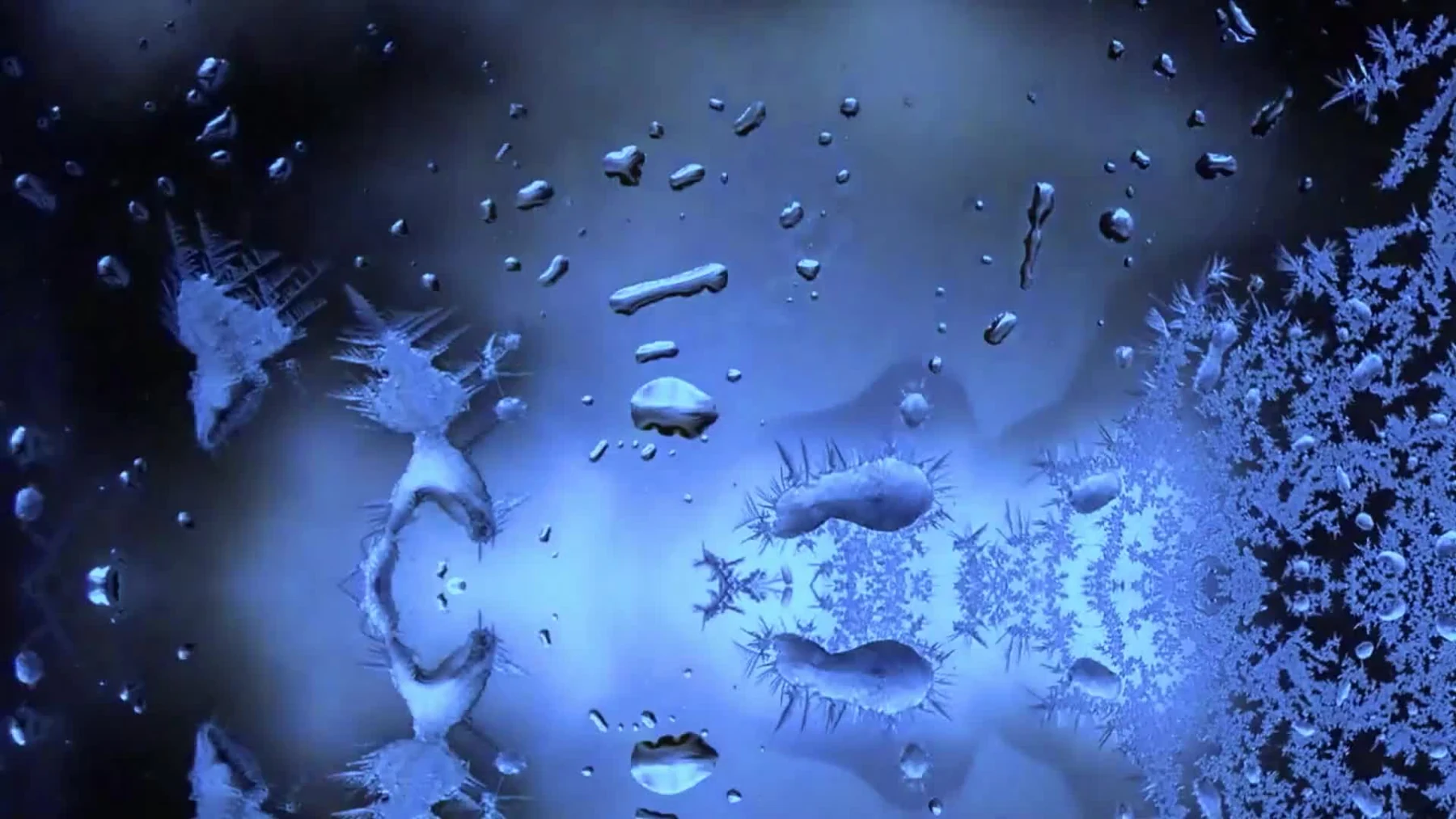
Participants used temperature sliders to influence animated states of water, from ice to liquid to vapour. Their own images dissolved and reformed within the artwork. Responsive sound and visuals connected an individual action to a shared public experience.
What is documented
The portfolio records a delivered council festival commission in 2021 and documents the floating sculpture, sensory interface and audience interaction. It does not supply an evaluation of environmental learning, visitor spending or attendance attributable to RIPPLE.
Creative and fabrication credits
Artist: Georgie Pinn. Remo Vallance documents the fabrication design for the floating screen installation in his project portfolio.
Read Remo’s project record.Opportunities for a future commission
What this could support
The applications below are proposals for a new brief, rather than measured outcomes from the original presentation.
Environmental curiosity
Making water responsive gives audiences an accessible starting point for exploring change and ecological fragility. A future programme could pair the artwork with local waterway interpretation and facilitated learning.
Community connection
Participants see their actions change a shared environment. This creates opportunities for conversation between generations and a memorable way to encounter public art together.
Nature-led evening visitation
A landscape-based cultural attraction can give people a reason to explore a garden or waterfront after dark. A future commission could connect the visit with nearby dining and other cultural activity.
Landscape becomes an interface
The work demonstrates how environmental imagery can move beyond scenery. A person acts, the water changes, and the landscape appears to respond. The encounter invites reflection through participation.
A Queensland application could connect local waterways, reef or rainforest interpretation with artist-led workshops and specialist ecology content. This is a nature-based engagement opportunity; ecotourism outcomes would require sustainable operation and demonstrated learning.
How a future brief could be evaluated
- Engagement
- Observe completed interactions, dwell time and participation across age groups.
- Environmental learning
- Use a short before-and-after prompt on one agreed water or ecology concept.
- Place and operation
- Sample onward precinct visits; monitor energy, water, light spill and habitat effects.
Before commissioning
Begin with a site and ecology assessment. Define water safety, habitat protection, access, weather limits and maintenance. Add a small facilitated learning programme and evaluate it alongside the artwork.
Project sources
Georgie Pinn portfolio/CV, pp. 6 and 11; artist and Interactor project listings. Future benefits and evaluation measures are proposals.
Download this case study
See the work
Film duration: 5 minutes 35 seconds. Ripple is a site-specific interactive installation that connects people with nature through facial identity, expression and the changing states of water.
Open the film directly. Real-time motion capture drives generative animation and audio. Each state of water represents an emotion, allowing participants to leave their own imprint on the work. The experience gives the audience agency: their expressions become part of an evolving artwork in public space.