Botanica · Brisbane
RIPPLE
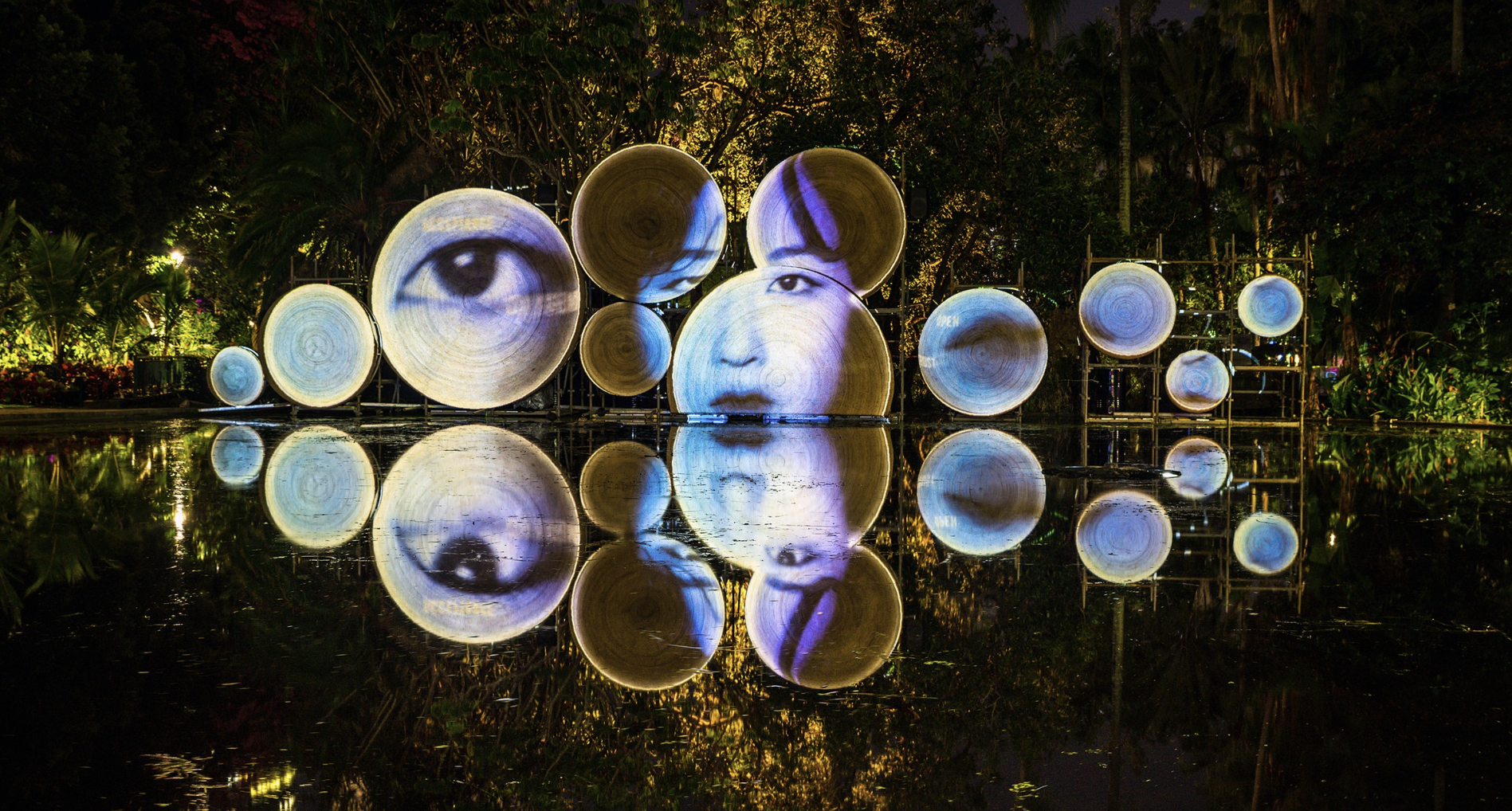
Ripple is an interactive, site specific installation that connects us to nature by driving real-time animation with our facial identity and expressions, using generative animation/audio and motion capture to morph us with the states of water. Each state represents a different emotion. The audience becomes the artist, leaving their unique imprint on the artwork.The generative interactivity of the work embodies the audience emotionally . They create their own chapter and celebrate the strength of shared human emotion in public space.
Case study
Case study · October 2026 · Pages 13, 14
Ripple
Empathy for nature through personification
See yourself in water. RIPPLE embeds your face and identity within a changing water world, making our relationship with nature personal.
Water becomes a character
RIPPLE personifies water as a living presence with moods, thresholds and vulnerability. Instead of looking at nature from outside, audiences encounter their own image within it: a mirror that connects changing water with the ways human feeling can harden, fracture, soften and dissolve.
Your identity inside the element
Hidden sensors capture facial features and place them within animated water physics. Blinks, smiles and frowns animate watery effects. A touchscreen temperature slider lets visitors travel between states; taps create ripples, while two people can influence the work together rather than controlling it alone.
A multisensory public encounter
The Botanica commission brought projection, sound and a floating sculpture into a lagoon. The deck describes a spatial score, live vocals by First Nations duo Kairos Kin, and Theatre of Thunder performers emerging from the water in slow butoh-style movement. These layers give water presence and agency; no measured change in empathy is claimed.
Source: Georgie Pinn, RIPPLE Canva deck, slides 2, 4-10. Delivery context: supplied portfolio.
Public value and next application
Personification, embedded identity and shared experience
Nature becomes someone we recognise
Water carries a human face and responds to expression and touch. Personification invites audiences to relate to it as a presence with character, rather than scenery or a resource. Empathy for nature begins with recognising something of ourselves within it.
From individual to shared identity
As portraits morph, merge and dissolve, the boundary between one person and another softens. The work places us within the same changing element: a sensory reminder that our relationship with the environment is shared, and that actions ripple beyond the individual.
A relationship felt through participation
Two-person interaction, responsive imagery, spatial sound and live performance make the encounter reciprocal. Future commissions could connect this felt relationship with local waterways, environmental interpretation and community stories, while assessing audience response through voluntary reflection.
Temperature becomes story
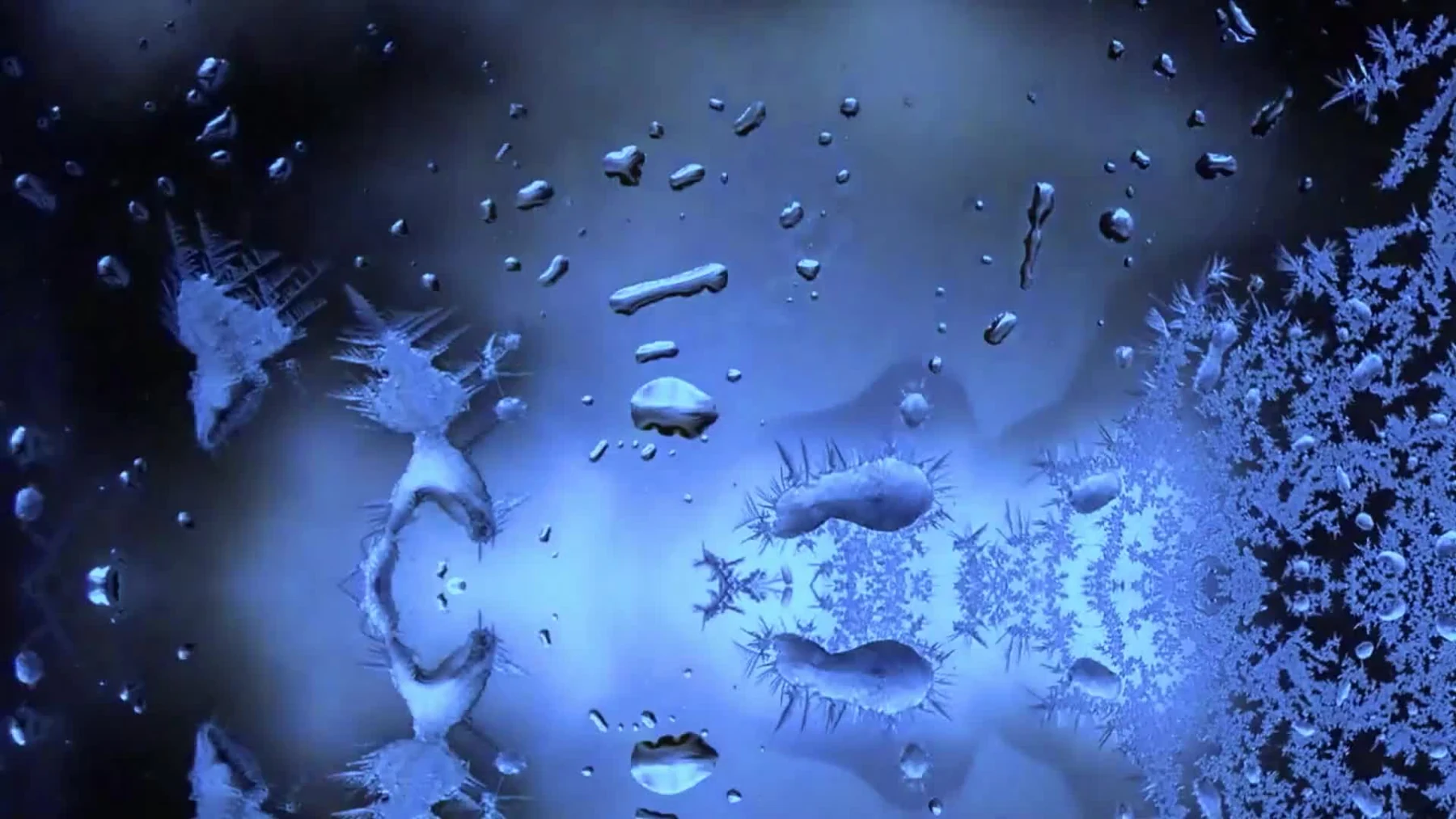
Visitors move forward and back through an emotional metaphor: cracking ice, rain and tears, storm and deep water, then ocean abundance and vapour’s release. The water states embody a story arc; they do not diagnose a participant’s feelings.
Audience intelligence and business value
Audience intelligence: Future versions could log water-state selections, time spent, ripple interactions and shared use. Optional reflections could explore recognition of self in nature, connection to water and environmental interests; facial activity is not an empathy score. Business value: Use aggregate feedback to refine environmental storytelling, nature-based visitor experiences and waterway programmes. Connect interested visitors with related cultural or nature activities through separate opt-ins; assess referrals and evening precinct activity with partners.
How to evaluate a future commission
Participation and shared play Record chosen states, session time and two-person use; sample viewing dwell. Connection and reflection Ask whether seeing their face in water changed how visitors described their relationship to nature. Onward engagement Track voluntary interest and referrals to nature or cultural programmes; keep consent separate.
A useful commissioning step
Scope a site-responsive water encounter with the host, artists and environmental specialists. Agree ecology, access and operations, face-capture permissions and an evaluation based on voluntary reflection rather than inferred emotion.
Source: Georgie Pinn, RIPPLE Canva deck, slides 2, 4-10. Proposed public benefits and evaluation are not past results. Delivery context: supplied portfolio.